
Why Is My Pool Water Green? 6 Causes and How to Fix Each One
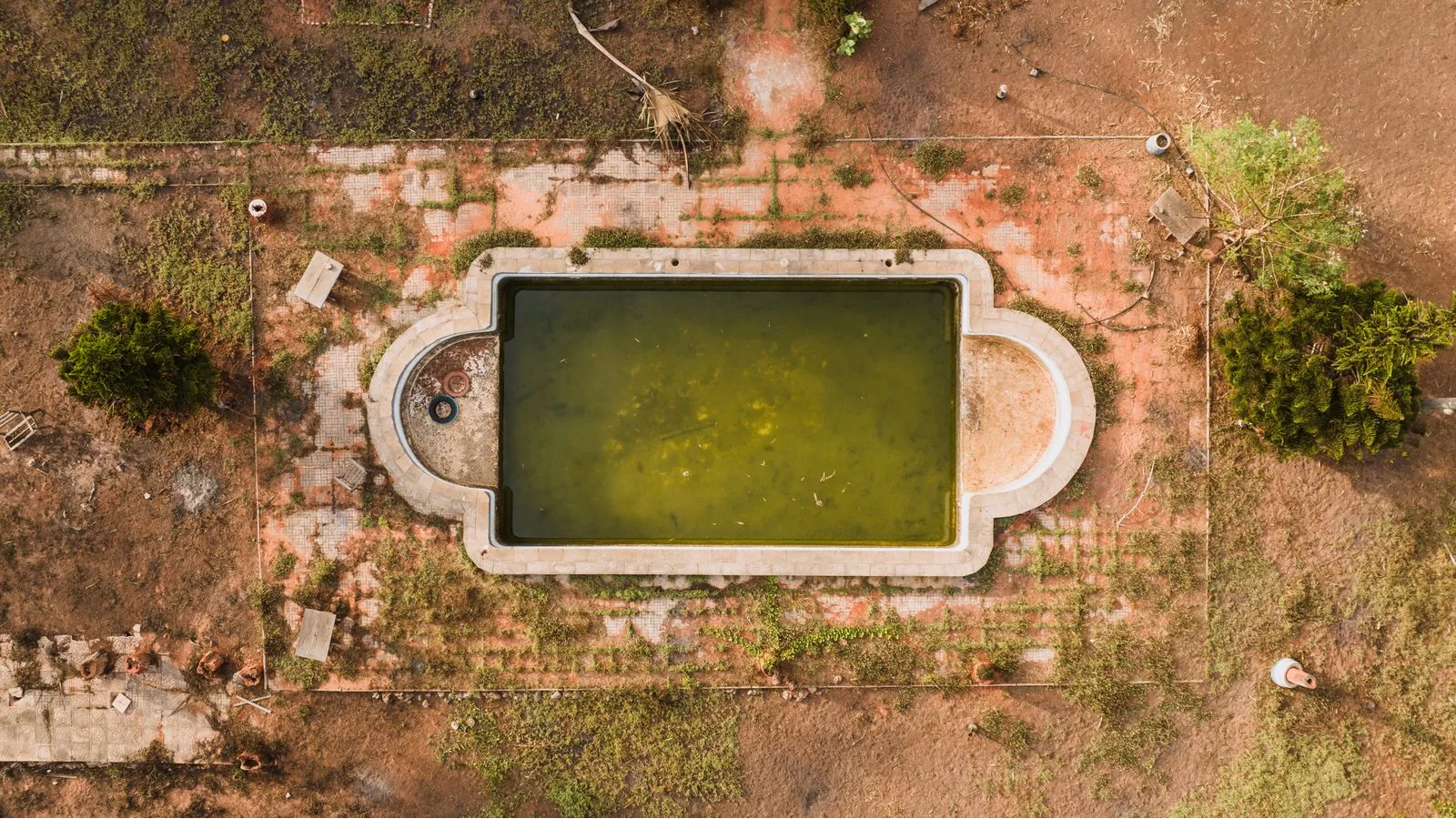
Your pool water is green because algae is growing in it. Free chlorine dropped too low for your stabilizer (CYA) level, usually after hot weather, a storm or a missed week of care. To fix it:
- Brush the pool.
- Lower pH to 7.2–7.5.
- Shock to 40% of your CYA level and hold it there.
- Run the filter 24/7.
Two exceptions:
- Metals: water that is clear green and gets darker after you shock usually has metals (copper) in it, not algae.
- Pollen: a yellow-green dust that wipes off easily is pollen.
Don't swim until you can see the main drain again.
Quick answer: how to fix a green pool
- Clean: skim out debris, clean the filter, and run the pump 24/7.
- Brush: brush every wall, step and corner to break up the algae.
- pH: lower pH to 7.2–7.5 so the chlorine works.
- Shock: raise free chlorine to 40% of your CYA (at least 10 ppm). Re-test and top up until the water is clear.
- Finish: vacuum the dead algae, then clear any leftover haze.
Why is my pool water green? 6 causes
Green pool water almost always comes down to one thing: chlorine lost the race against algae. The shade of green and how the water behaves tell you which of six causes you have.
| What you see | Most likely cause | How to confirm | Fix |
|---|---|---|---|
| Light green, a bit cloudy | Early green algae, low chlorine | Free chlorine (FC) near 0–1 ppm | Brush + shock to 40% of CYA |
| Dark "swamp" green, can't see the floor | Heavy algae bloom, days without chlorine | FC 0, slimy walls | Full shock process (may take a week) |
| Yellow-green dust on shady walls that comes back | Mustard algae | Brushes off easily, returns in a day or two | Shock + brush daily, clean toys and equipment |
| Clear teal or green, darker after shocking | Copper or iron (metals) | Water stays clear; stains on steps; metal test strip | Metal sequestrant first, then chlorine |
| Green-yellow powder floating on the surface | Pollen | Wipes off your finger, collects in the skimmer | Skim, clean the filter, normal chlorine |
| Green even though you "added chlorine" | Chlorine lock: high CYA or high pH | CYA above 50–60 ppm or pH above 7.8 | Lower pH; partly drain to cut CYA |
Why algae wins.
- CYA slows chlorine. Stabilizer (CYA) protects chlorine from sunlight, but it also slows chlorine down. The more CYA in the water, the more free chlorine you need to keep algae away.
- Rule of thumb: keep free chlorine at about 7.5% of your CYA (at least 3 ppm). For example, at CYA 50 that means about 4 ppm.
- What tips it over: a heat wave, a rainstorm or a week away can drop it below that line, and algae takes over within days.
- Chlorine lock: Australia's Logan City Council puts the "chlorine lock" point at stabilizer above 50 mg/L (1 mg/L equals 1 ppm). Many US pools that keep adding stabilized tablets drift well past that.
Example.
- The pool: Jake has a 20,000-gallon plaster pool in Tampa. He came back from a two-week vacation to a dark green pool.
- The tablets: his floating chlorinator ran out in the first week.
- The test strip: free chlorine 0, pH 7.8, alkalinity 100 ppm and CYA 50 ppm.
- The cause: classic algae. There was no chlorine for over a week, and the high pH made it worse.
We'll fix Jake's pool step by step below. (Jake is an illustrative example; the doses are real calculations.)
How to get rid of green pool water (step by step)
The way to get rid of green pool water is to kill the algae with enough chlorine for your CYA level. Then keep chlorine at that level until the water is clear, and let the filter remove the dead algae. One big dose that is allowed to fade is the most common reason a green pool stays green.
Step 1: Clear debris, clean the filter and run the pump 24/7
- Debris: skim out leaves and empty the skimmer and pump baskets. Debris uses up chlorine.
- Filter: backwash a sand or DE filter, or hose off a cartridge.
- Pump: run it 24 hours a day until the pool is clear.
- Very dark pools: expect to clean the filter again every day or two, because dead algae clogs it fast.
Step 2: Brush every surface
Algae clings to walls in a slimy film that protects it from chlorine. Brushing breaks that film so chlorine can reach the algae.
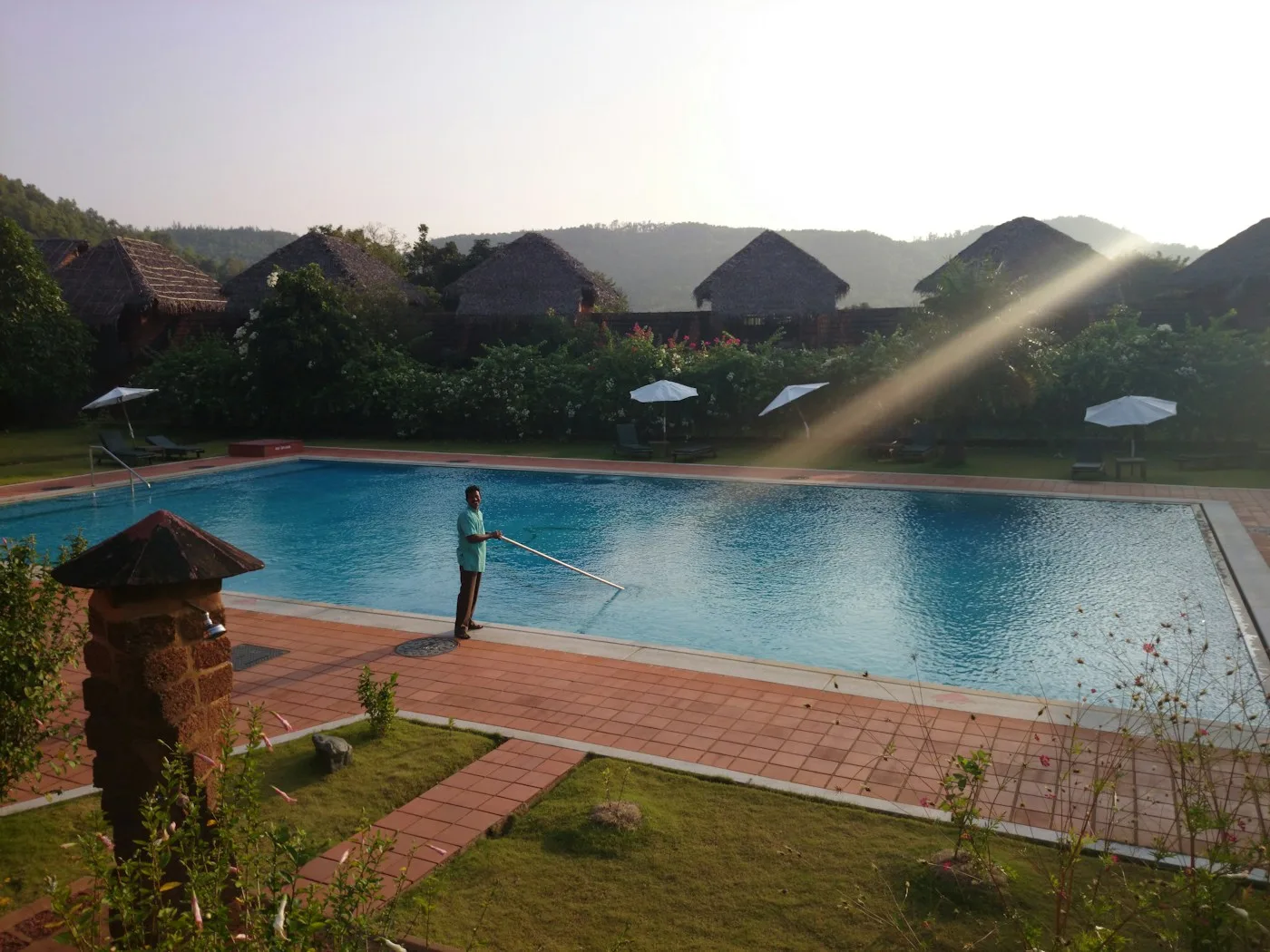
- Where: brush the walls, floor, steps, corners and behind the ladder.
- When: brush once before you shock, then once or twice a day until the water clears.
Step 3: Lower pH to 7.2–7.5
Chlorine works better at the low end of the pH range, so fix pH before you shock.
Jake's pool:
- pH 7.8, alkalinity 100 ppm, CYA 50 ppm.
- To get to pH 7.4, he needs about 34 fl oz of 31.45% muriatic acid, poured slowly in front of a return jet with the pump running.
- Use the muriatic acid calculator for your own numbers.
Step 4: Shock to 40% of your CYA, then hold it there
Raise free chlorine to 40% of your CYA level, with a minimum of 10 ppm, and keep it there until the pool is clear. This "shock and hold" approach is why "double" or "triple" doses so often fail.
| Your CYA (ppm) | Shock to (free chlorine, ppm) |
|---|---|
| 0–25 | 10 |
| 30 | 12 |
| 40 | 16 |
| 50 | 20 |
| 60 | 24 |
| 80 | 32 (partly drain first) |
Jake's pool (20,000 gallons, FC 0, CYA 50) needs free chlorine at 20 ppm. That takes:
- Liquid chlorine 10%: 4 gallons
- Liquid chlorine 12.5%: about 3¼ gallons
- Cal-hypo 65%: about 5 lb 2 oz. This also adds about 14 ppm of calcium hardness, which adds up quickly over repeat doses.
How to add it:
- Split it: add it in two halves, a few hours apart, at dusk.
- Pour slowly: pour it around the edge with the pump running.
- Hold the level:
- Re-test morning, noon and night.
- Add enough chlorine each time to bring FC back to 20 ppm.
- A green pool "eats" chlorine fast at first. A big overnight drop means algae is still dying.
- Do the math with a tool: the pool shock calculator works out each top-up for your pool size.
Myth check: "double or triple shock."
- One pound: one pound of 65% cal-hypo raises free chlorine in 20,000 gallons by only about 3.9 ppm.
- A triple dose: six pounds gives about 23 ppm.
- Why it's not a rule:
- at CYA 50 that is enough;
- at CYA 60 (needs 24) it falls just short;
- at CYA 80 (needs 32) it is far too little.
- The fix: dose by your CYA, not by how green the water looks.
Never mix chemicals. Add acid and chlorine separately, at least 30 minutes apart, and never put cal-hypo and trichlor in the same feeder or bucket.
Step 5: Vacuum the dead algae and clear the haze
As the algae dies, the water usually turns cloudy blue-grey. That is progress, not failure.
- Vacuum: remove the dead algae from the floor, to waste if your filter allows it.
- Filter: keep the filter running.
- Leftover haze: if haze remains after the chlorine holds steady, use a clarifier or flocculant. Our guide on how to clear cloudy pool water fast covers both.
Step 6: Check that you're done, then rebalance
You're done when all three of these are true:
- Combined chlorine: 0.5 ppm or lower.
- Overnight loss: free chlorine drops 1 ppm or less overnight.
- Clarity: the water is crystal clear.
Then:
- Let chlorine fall: let free chlorine drift back to its normal level (about 7.5% of CYA).
- Re-balance: check pH, alkalinity and calcium. The all-in-one pool calculator gives every dose.
Algae or metal? A 2-minute test
Green water that stays clear, has no slime, and turns darker green or brown after you shock is usually metal, not algae. It is often copper. Algae makes water cloudy and slimy, and it turns grey-blue as chlorine kills it.
| Sign | Algae | Metals (copper/iron) |
|---|---|---|
| Clarity | Cloudy or murky | Clear, tinted |
| Feel of walls | Slimy | Smooth; may have stains |
| After shocking | Turns cloudy blue-grey, then clears | Gets darker green, teal or brown |
| Common trigger | Low chlorine, heat, rain | Copper algaecide, ionizer, low pH eating a copper heater core, well-water fill |
What causes copper green:
- Copper algaecide: A common case: a copper-based algaecide goes in, then a large chlorine dose oxidizes the copper, and the water turns green within hours.
- Other sources:
- pool ionizers;
- very low pH that corrodes copper heater parts;
- fill water from a well.
How to confirm:
- Test the water: use copper and iron test strips, or ask a pool store to test a sample.
- Fill water: if you fill from a well, test that water too.
Fix order for metals:
- Keep pH in range: hold it at 7.2–7.6.
- Sequestrant first: add a metal sequestrant (chelating agent) as the label directs.
- Gentle chlorine after: keep normal chlorine levels. Don't shock hard first, because heavy chlorine oxidizes metals and can deepen the color and stain surfaces.
- Filter: run the filter and clean it as the metal is captured.
Pool still green after shocking? 6 reasons
If your pool is still green two days after shocking, one of these is almost always why:
- The shock level was too low or not held. Free chlorine must stay at 40% of CYA. One dose that fades to 2 ppm overnight lets algae recover.
- pH is too high. Above 7.8, chlorine is much weaker. Lower it to 7.2–7.5 first.
- CYA is too high (chlorine lock).
- At CYA 80+, the shock level is so high that partly draining and refilling is faster and cheaper.
- The pool stabilizer calculator shows how much water to replace.
- The filter is dirty or off.
- Dead algae clogs filters fast.
- Check the pressure, clean the filter, and keep the pump running 24/7.
- It's metal, not algae. Clear green that darkens after shock needs the metal fix above.
- Algae is hiding.
- Check inside the filter, behind light niches, under ladders and in pool toys. Algae there re-seeds the pool.
- High phosphates feed algae too; Keep them below about 500 ppb.
How long does it take to clear a green pool?
A light green pool usually clears in 1–3 days. A dark green pool takes 3–7 days, and a neglected "swamp" pool can take 1–2 weeks with a sand filter.
| Pool condition | Typical time to clear | What you'll see |
|---|---|---|
| Light green, floor visible | 1–3 days | Green → cloudy blue → clear |
| Dark green, floor hidden | 3–7 days | Green → grey-blue haze → clear; daily filter cleaning |
| Swamp (weeks neglected) | 1–2 weeks | Heavy debris; may need floc and vacuum to waste |
What speeds it up:
- holding the shock level instead of letting it fade;
- brushing twice a day;
- cleaning the filter as soon as the pressure rises.
Is it safe to swim in green pool water?
No. Do not swim in a green pool.
- Visibility: you can't see the bottom. The CDC's simple rule is to check that you can see the drain at the bottom of the deep end before anyone gets in. Murky water hides a swimmer in trouble.
- Germs: green water means the sanitizer has failed, so germs are not being killed.
- Mosquitoes:
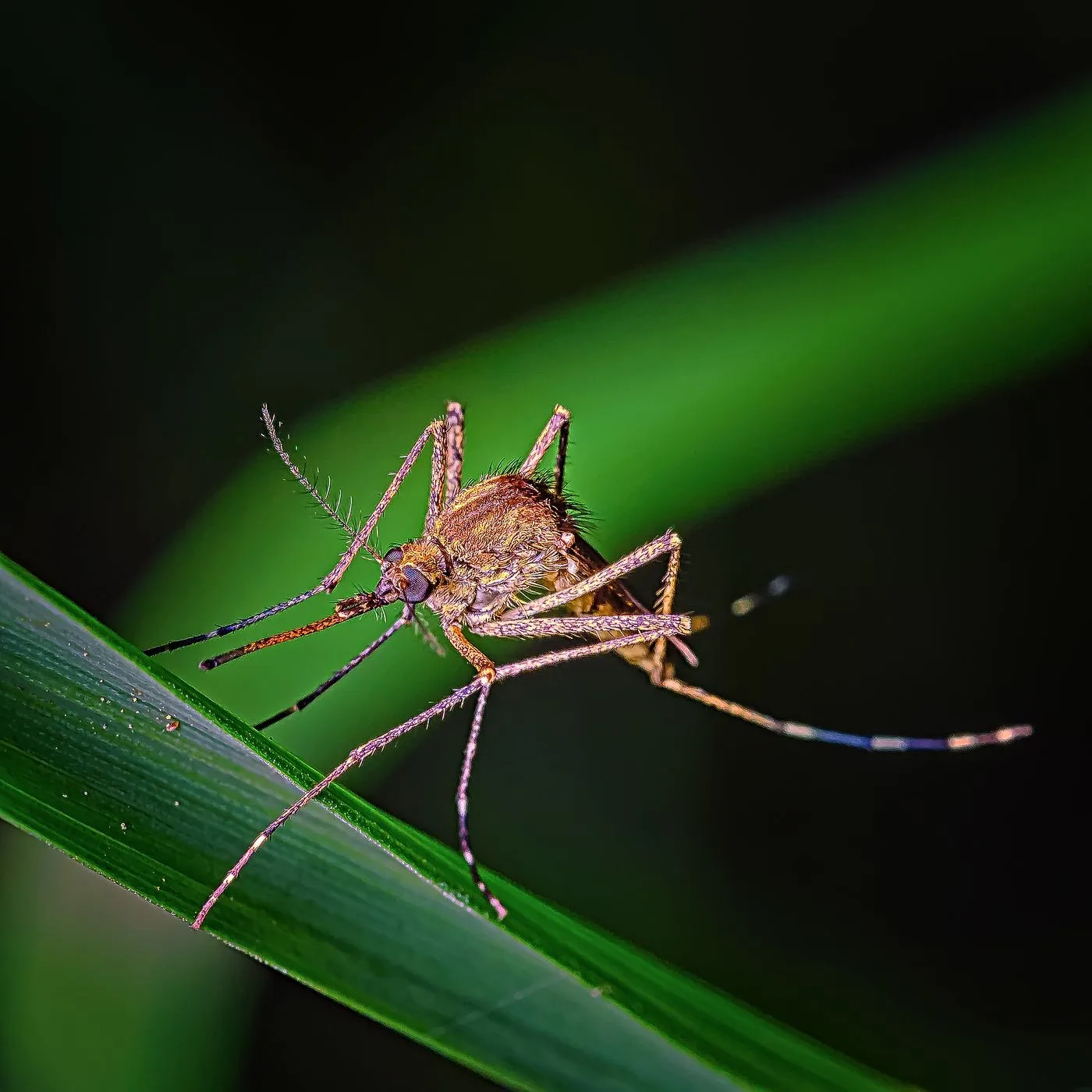
- A neglected green pool can breed thousands of mosquitoes.
- In a 2008 study in the CDC journal Emerging Infectious Diseases, Reisen and colleagues linked neglected pools to a 276% rise in human West Nile virus cases in Bakersfield, California, in 2007. The authors note the link was associational.
- The CDC's West Nile virus guidelines still list neglected pools as a mosquito source.
When it's safe to swim again:
- you can clearly see the main drain;
- free chlorine is back down to 4 ppm or lower (the swim limit on most chlorine product labels);
- pH is in range.
How to keep your pool from turning green again
Green pools come back when chlorine slips below what your CYA level needs. These habits prevent it:
- Keep chlorine high enough: keep free chlorine at about 7.5% of your CYA (at least 3 ppm). Test 2–3 times a week, and daily in a heat wave.
- Watch the stabilizer: keep CYA at 30–50 ppm. Stabilized tablets (trichlor) add CYA every week; switch to liquid chlorine if CYA climbs past 60.
- Circulate: run the pump for at least one full turnover a day. The pump run time calculator shows how long.
- Brush: brush weekly, especially shady corners and steps.
- Shock early: shock after heavy rain, heat waves or pool parties, before the water turns.
- Before a vacation:
- raise FC to the top of your range;
- set up a reliable feeder;
- ask someone to check the pool once.
- Use a cover: a cover keeps out sunlight and debris when the pool isn't in use.
Frequently asked questions
Can a pool turn green overnight?
Yes. In hot weather, algae can double quickly. A pool with low chlorine can go from clear to light green in a day or two, especially after a storm washes in nutrients and dilutes the chlorine.
Does algaecide fix a green pool?
Not by itself. Algaecide helps prevent algae when used with normal chlorine, but a green pool needs shock-level chlorine to kill the bloom. Avoid copper-based algaecides in a green pool, because shocking them can stain the pool and tint the water.
Can I use bleach to fix a green pool?
Yes. Plain, unscented household bleach is the same chemical as liquid pool chlorine (sodium hypochlorite), just weaker, usually 6–8.25%. You need more of it. Avoid "splash-less" or scented versions, and use the pool shock calculator with the bleach strength selected.
Why is my pool green after rain?
Rain dilutes chlorine and washes in dirt, pollen and phosphates that feed algae. Test right after a storm and add chlorine if free chlorine has dropped below 7.5% of your CYA.
Should I drain a green pool?
Usually not. Draining can damage plaster, and it can make vinyl liners shrink and fiberglass shells lift. Shocking and filtering is safer and cheaper. Partly drain only if CYA or calcium is too high, or if the pool is a true swamp full of debris.
Is green pool water dangerous to touch?
Brief contact is unlikely to harm healthy skin, but don't swim in it or let children or pets drink it. Wash your hands after handling pool debris, and wear gloves and eye protection when you add chemicals.
The bottom line
Your pool is green because algae outgrew the chlorine. The fix is the same order every time:
- Clean the filter and run the pump 24/7.
- Brush.
- Lower pH to 7.2–7.5.
- Shock to 40% of your CYA and hold that level until the water is clear.
- Vacuum and rebalance.
If the water stays clear green and darkens after shocking, treat for metals instead. Work out your exact shock dose first with the free pool shock calculator.
Sources
- Reisen WK et al., Delinquent Mortgages, Neglected Swimming Pools, and West Nile Virus, California, Emerging Infectious Diseases (CDC), Nov 2008. https://wwwnc.cdc.gov/eid/article/14/11/08-0719_article
- CDC, Preventing Swimming-related Illnesses — see the drain before you swim. https://www.cdc.gov/healthy-swimming/prevention/index.html
- Logan City Council, Green swimming pools — chlorine lock and stabilizer levels. https://www.logan.qld.gov.au/business-and-investment/licensing/commercial-swimming-pool/green-swimming-pools
- Dose figures calculated with Pool Care's free pool calculators (chlorine as Cl₂, 31.45% muriatic acid, 65% calcium hypochlorite).

What do you think?
Share your experience, ask a question, or help another reader.
Loading comments…